



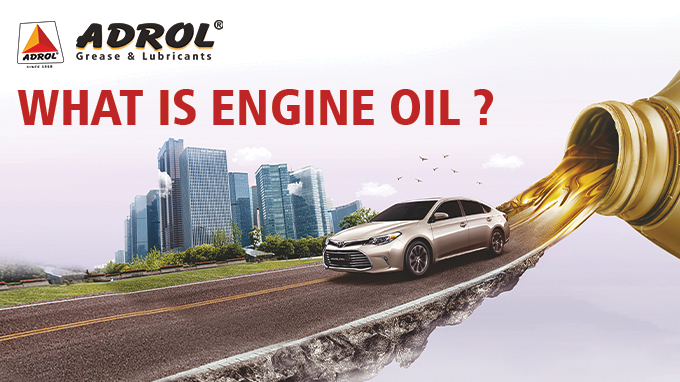
What Is Engine Oil and Why It Matters? Types, Benefits & Best Oil Guide
Do you think fuel like petrol or diesel is enough for your vehicle to run smoothly?
Absolutely not.
Your engine needs something just as important as fuel: engine oil.
Just like our body needs blood to function, your vehicle needs engine oil, the hidden hero that keeps everything running smooth, cool, and powerful. Without the right engine oil, even the best vehicles can lose performance, heat up, or even break down.
In this blog, we’ll explain what engine oil is, why it matters, the types of engine oil, and how to choose the right one.
Let’s start with the basics.
What is Engine Oil?
Whenever two metal parts rub against each other, they create friction, which leads to heat and wear.
This is exactly what happens inside your engine.
Engine oil works as a special lubricating fluid that reduces friction, protects engine parts, and keeps your vehicle healthy and efficient.
Engine Oil Performs Four Major Functions:
1. Lubrication
Inside an engine, hundreds of metal components move rapidly.
Without lubrication, the friction between these parts can cause damage. Engine oil forms a protective layer that allows smooth movement and reduces wear.
2. Cooling
Your coolant cools the upper part of the engine, but engine oil cools the deeper internal parts where the temperature is extremely high.
It absorbs and carries heat away to prevent overheating.
3. Cleaning
Engine oil traps and removes:
-Dirt
-Carbon deposits
-Metal particles
This prevents sludge formation and keeps your engine running clean.
4. Protection Against Wear & Corrosion
Engine oil prevents rust, reduces wear and tear, and helps your engine run quietly and efficiently for years.
In short:
Engine oil = Lubrication + Cooling + Cleaning + Protection
Why Is Engine Oil Important?
Think about door hinges: if you don’t oil them, they become noisy, stiff, and rusty.
Your engine works similarly—but at much higher speed and heat.
Without proper lubrication, engine parts can get damaged, jammed, or overheated.
Why your vehicle needs engine oil:
-Ensures smooth performance
-Improves mileage
-Extends engine life
-Reduces repair costs
-Prevents overheating
-Enhances pickup and power
The right engine oil makes your vehicle stronger, smoother, and more reliable.
Types of Engine Oil
Engine oils are mainly divided into three types, each designed for different vehicles and usage needs.
1. Mineral Engine Oil
The most basic type, made from refined crude oil.
Best for:
-Older vehicles
-Normal city driving
-Budget-friendly services
Pros:
-Affordable
-Suitable for low-powered engines
Cons:
-Breaks down faster
-Needs frequent oil changes
2. Synthetic Engine Oil
Chemically engineered for superior performance and protection.
Best for:
-Modern bikes and cars
-High-performance engines
-Extreme hot/cold weather
Pros:
-High performance
-Longer oil change intervals
-Better mileage
-Works well in extreme temperatures
Cons:
-More expensive
3. Semi-Synthetic Engine Oil
A balanced mixture of mineral and synthetic oil.
Best for:
-Daily commuters
-Users seeking value + performance
Pros:
-Better protection than mineral oil
-More affordable than fully synthetic
Cons:
-Not as long-lasting as full synthetic
DISTRIBUTOR
HAPPY CUSTOMER
AWARDS
STATES COVERED